April 7, 2026
Energy Management
The disruption has already arrived. The only question left is whether your organization is positioned to absorb it or be defined by it.
The world changed in real time, in full view of every executive responsible for keeping a business running, and yet a surprising number of organizations are still operating with an energy strategy that was designed for a world that no longer exists.
The assumption that energy would remain available, affordable, and predictable has been broken. What is replacing it is a new operating reality that is defined by geopolitical volatility, supply chain fragility, and relentless upward pressure on costs. The organizations that recognize this shift and act on it in 2026 will build a structural advantage that persists for years. Those that wait will find themselves managing a crisis instead of a strategy.
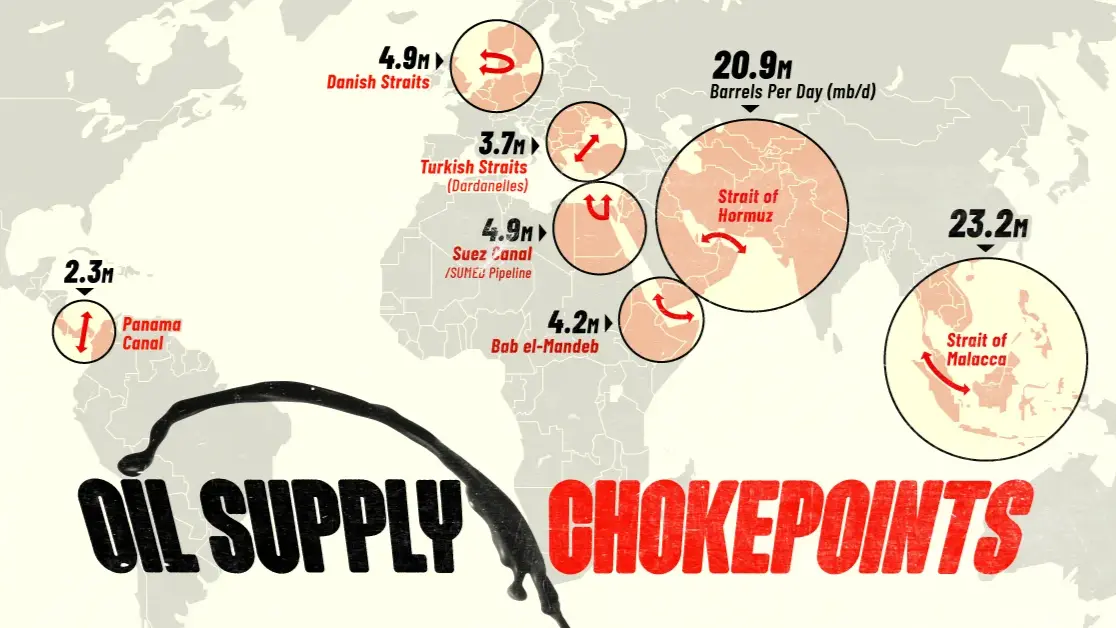
The conflict in the Middle East is not a distant headline. It is a direct threat to the energy systems on which Canadian businesses depend. The Strait of Hormuz, the narrow waterway connecting the Persian Gulf to global markets, handled approximately 20% of the world's petroleum liquids consumption in 2024, according to the U.S. Energy Information Administration. Global LNG supply has been reduced by roughly 20% as a result of the current disruption, representing, in the words of the International Energy Agency, the largest supply shock in the history of the global oil market.
These are not projections. These figures are current conditions, and their consequences are moving through supply chains, energy contracts, and operating budgets right now.
Ontario commercial electricity prices surged by nearly 68% in 2025 compared with the prior year, based on data from the Independent Electricity System Operator (IESO). This was not an anomaly. It was a signal.
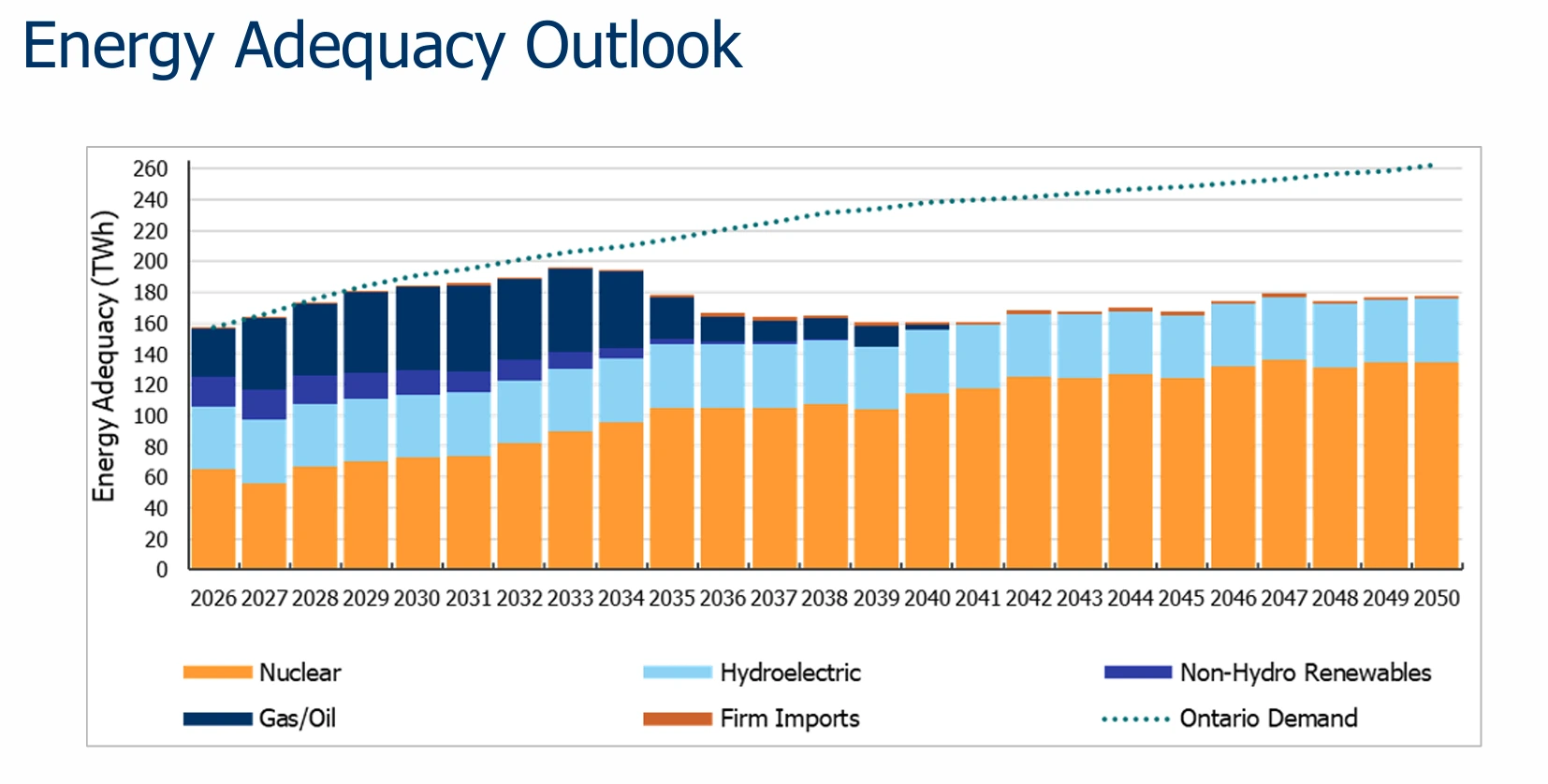
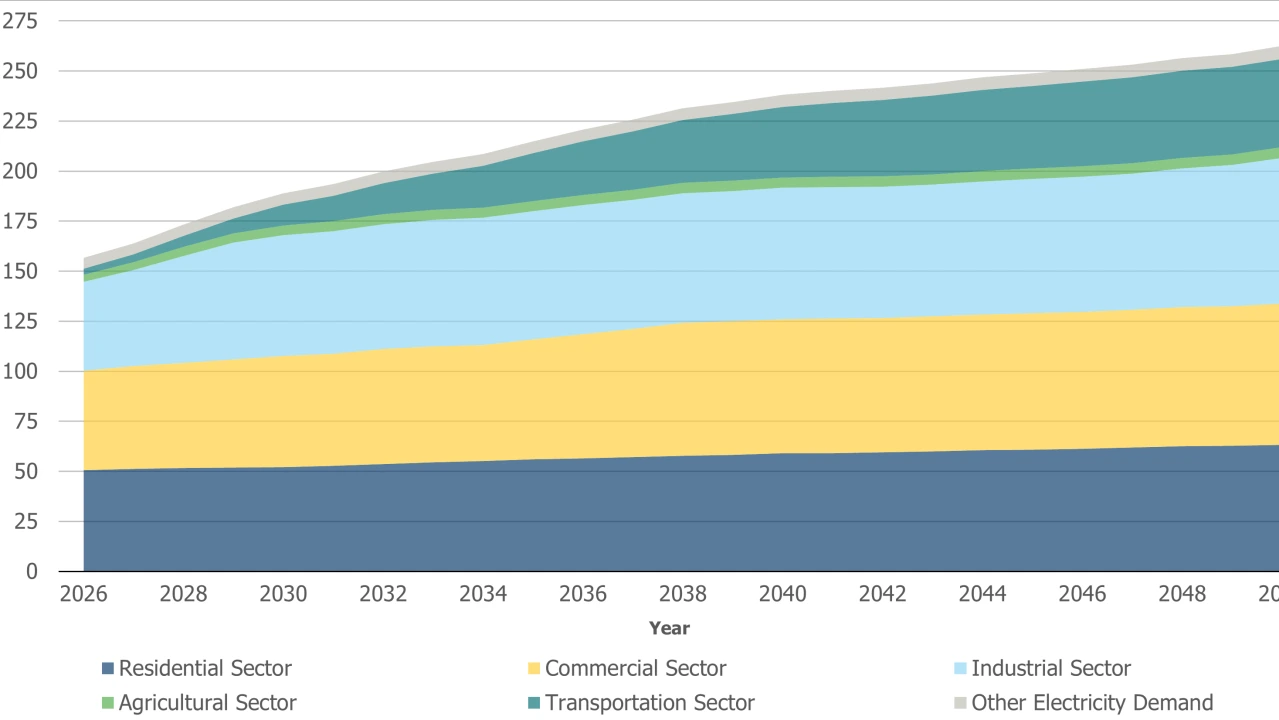
Ontario's grid operator projects electricity demand to grow 75% by 2050, driven by data centres, EV manufacturing, and industrial electrification. Supply infrastructure is not being built at the same pace. That gap has a predictable outcome: sustained cost pressure on every business that is not actively managing its energy exposure.
Oil and natural gas are well understood as strategic resources. Less understood, but equally critical, is helium. The same regional disruption threatening petroleum flows is choking the global supply of helium, an irreplaceable input in semiconductor manufacturing. Helium is used for wafer cooling and leak detection in advanced chip fabrication processes, with no viable substitute at the scale modern manufacturing requires.
Qatar supplies approximately one-third of the world's helium. With the Strait of Hormuz severely disrupted, leading analysts estimate that more than 25% of global helium supply has effectively been removed from the market. The Semiconductor Industry Association warned in 2023 that a supply disruption of this kind would send shocks through global chip manufacturing, a warning that is now a lived reality.
"The chips powering your data systems, your logistics networks, and your manufacturing lines depend on a supply chain that runs through the same geography now in crisis."
For procurement and supply chain leaders, this is the new calculus: the interdependency of global energy markets means a disruption in the Persian Gulf is inside your supply chain before your contracts can respond. Energy security is no longer a geopolitical abstraction. It is a line-item risk on every organization's operating plan.
The climate transition is real, necessary, and urgent. No serious business leader disputes that. However, the transition requires operational resilience, and operational resilience requires energy security. You cannot decarbonize a business that has been destabilized by energy volatility. The organizations that will lead the clean energy transition are the ones that build the strongest energy foundations today.
Treating energy security as something to address after the transition is complete is a gamble.
The businesses and institutions that emerge from this period with a competitive advantage share one characteristic: they stopped treating energy as a utility to manage reactively and started treating it as a strategic asset to be actively secured. That shift happens across four domains.
These areas are often managed separately inside organizations, even though the risk is connected. Procurement decisions affect operating costs. Consumption patterns affect contract performance. Utility data affects visibility, reporting, and planning.
Procurement Strategy — Determines whether your organization is exposed to volatile spot markets or protected by contracts structured to match your risk profile. In this environment, the wrong procurement decision can cost millions. The right one can lock in stability for years.
Demand-Side Management — Gives your organization the ability to actively control when and how energy is consumed, reducing peak costs, lowering Global Adjustment exposure, and building the operational flexibility to respond when grid conditions tighten.
Energy Audits and Efficiency Programs — Reveal exactly where your energy dollars are going and where reduction is achievable without compromising output. In an environment of surging costs, efficiency is not an operational nicety. It is a financial imperative with a measurable return.
Renewable and Backup Energy Solutions — Fundamentally change your risk position. Organizations with on-site generation or storage capacity are not subject to the same vulnerabilities as those wholly dependent on the grid. Diversification of energy sources is the infrastructure version of what procurement strategy does for contracts.
That requires more than market awareness. It requires connecting procurement strategy, operating realities, utility data, and long-term planning in a way that reflects how the business actually functions.
Effective January 1st, 2026, 360 Energy made a formal commitment: to collaborate across the full energy chain, including with industry peers and competitors where necessary, to put programs in place that protect Canadian businesses and institutions from the energy risks now reshaping the global economy.
That commitment reflects how 360 Energy approaches the market: not as a commentator on volatility, but as a buyer-side partner helping organizations respond to it. The work involves identifying where exposure sits, improving visibility into energy costs and consumption, strengthening procurement and operational decision-making, and putting practical programs in place that improve resilience over time.
We have spent decades at the intersection of energy markets, policy, and business strategy. We have engaged on energy security at the NATO level. We understand the macro forces driving this moment, and we know the practical steps organizations need to take right now to protect themselves and strengthen Canada's position as a nation.
Canada is a resource-rich country. That is an advantage, but advantage only becomes security when it is supported by strategy, coordination, and disciplined execution. That is the work 360 Energy is focused on advancing.
Organizations waiting for stability to return are accumulating risk with every passing quarter.
The time to build a stronger energy strategy is before the next disruption forces your hand. That time is now.
360 Energy will assess where your organization is exposed, identify where immediate action creates the most value, and build a roadmap to genuine energy security, tailored to your operations and your risk profile.
Book a meeting with 360 Energy.
Sources: U.S. Energy Information Administration (EIA); International Energy Agency (IEA); Ontario Independent Electricity System Operator (IESO); Kornbluth Helium Consulting; Semiconductor Industry Association; CNBC; IDTechEx. All data points referenced in this article are drawn from publicly available, third-party sources current as of Q1 2026.
Status:
OG Link:
Notes:
.webp)