
Energy Management
March 30, 2026

After 35 years of helping organizations manage energy, one truth has remained constant: there is significant, measurable business value in managing energy proactively, and most companies are still leaving it on the table.
The problem often starts with how energy management is understood. In practice, managing energy means paying close attention to both consumption and cost. That includes understanding what your organization uses across electricity, natural gas, and water, since water use often affects overall energy performance, while also building an ongoing strategy around how those resources are purchased, used, and managed at the meter level.
That strategy should reflect your actual demand profile, energy market conditions, utility rate structures, and the regulatory environment, including programs such as demand response. When those factors are understood together, the results are consistent: measurable savings and cost avoidance of at least 5 to 10 percent per year, and often more, when the process is treated as an ongoing discipline.
In practical terms, that means understanding how energy is used, how it is priced, how those two realities affect one another, and where decisions can be made to improve cost control and reduce exposure over time.
The problem is that roughly 95% of the market only acts on energy when they hear one word: incentives.
Governments and utilities periodically offer financial incentives to encourage businesses to invest in more efficient equipment, usually by replacing older systems with ones expected to reduce consumption. These programs can play a useful role, but the issue is what happens when they become the main trigger for action. Businesses that are otherwise passive about energy suddenly mobilize when a rebate appears, then lapse back into inaction once it disappears.
I saw this from the inside. In my early days at a major utility in the late 1980s, the more incentives I arranged for customers, and the more load reduction those incentives claimed on paper, the better I was perceived to be doing my job. The paperwork alone was substantial and time-consuming for everyone involved. The more closely I looked, the more obvious it became that many customers could have saved more money, and done so faster, by acting on their own rather than waiting for and navigating the incentive process. In many cases, the revenue lost during the time spent preparing and waiting for incentive approval exceeded the value of the incentive itself.
That is where the incentive can become a net negative, not only financially, but behaviorally. It trains businesses to wait for an external trigger instead of building awareness and discipline to act on their own.
The root cause is a real gap in organizational knowledge and process. Most businesses do not have the internal infrastructure, expertise, or systems needed to understand their energy position clearly. They do not have a strong view of what they consume, why they consume it, how that consumption affects pricing options, or what is happening in the markets supplying their energy.
This is not entirely their fault. Our institutions have not done a good job of equipping them. Engineering programs may teach the technical side of energy, but rarely cover energy markets, utility rate design, or procurement strategy in a practical business context. Finance and procurement professionals may understand markets in the abstract, but are rarely taught how their organization’s actual consumption profile shapes the pricing options available to them. The knowledge exists, but it is fragmented, and in most organizations no one is connecting it in a way that supports better decision-making.
At the same time, energy is discussed constantly at the geopolitical level through conversations about supply chains, energy security, and the energy transition, yet it is rarely translated into what those realities actually mean for an individual business and what that business should do in response. The macro conversation and the operational reality still rarely meet.
This is also where the difference between passive energy oversight and active energy management becomes clear. Most organizations do not need more disconnected information, and instead need a way to connect consumption, pricing, utility structures, procurement options, and operational decision-making in one clear framework. That is the work 360 Energy is focused on: helping organizations move from reactive activity to a more disciplined, strategic approach to managing energy.
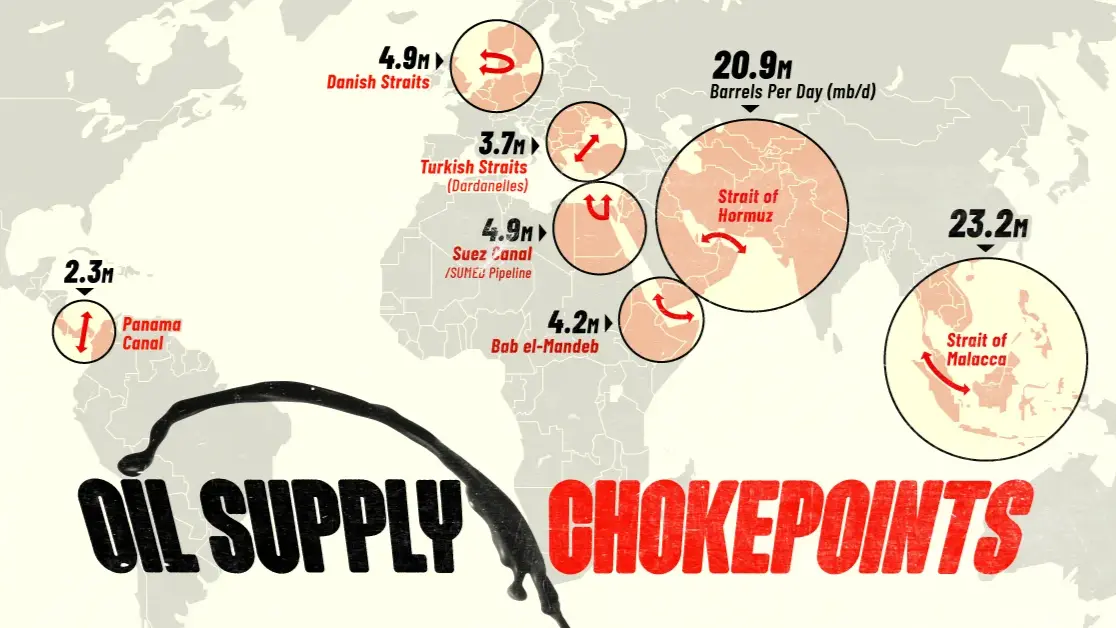
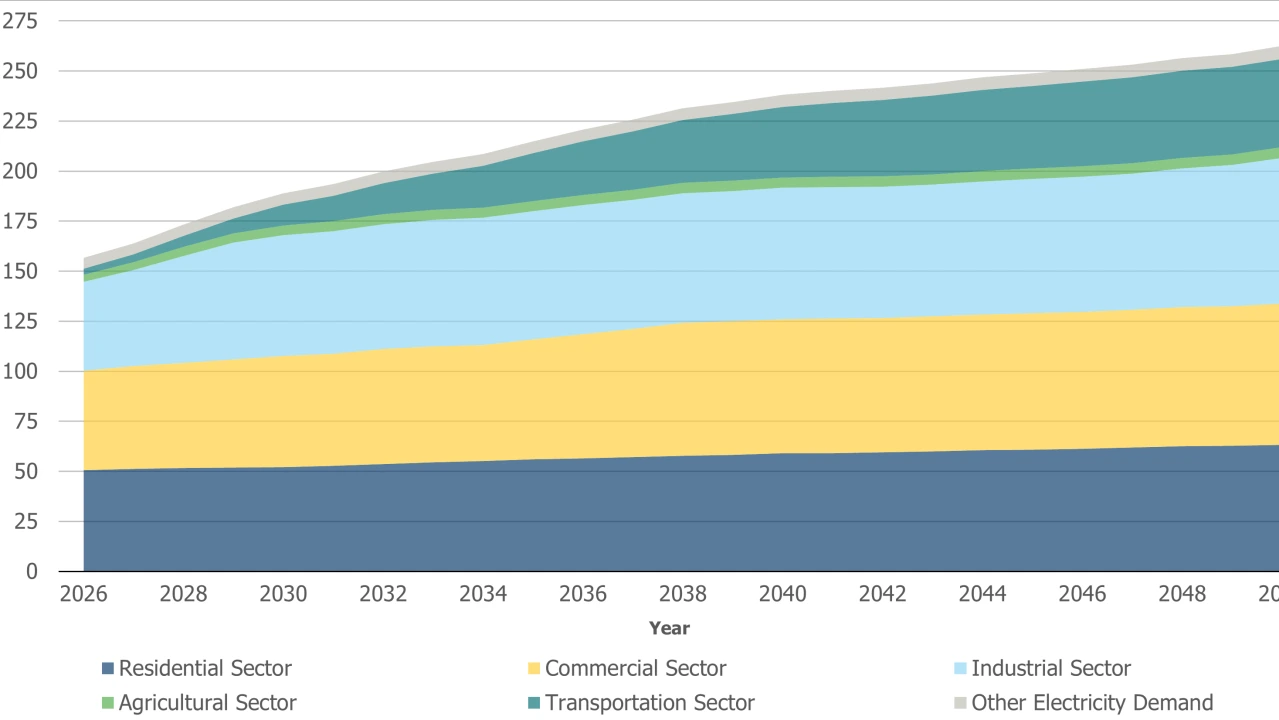
This gap is becoming more expensive to ignore as the era of abundant, cheap energy is ending. Global energy markets are being reshaped by geopolitical tensions, the accelerating pace of the energy transition, ageing grid infrastructure, and rising demand driven by electrification and data centre growth. Businesses that understand their energy position and manage it actively will have a structural cost advantage. Those that continue waiting for incentive programs to prompt action will remain exposed and behind. For many organizations, that exposure shows up first in avoidable cost, weaker procurement outcomes, and less flexibility when market or operating conditions change.
Managing energy is not a capital project with a clear start and end date. It is a continuous operational discipline, as ongoing as managing cash flow or supply chain risk. The organizations that treat it that way will continue finding ways to reduce costs and exposure, regardless of whether a government program or utility rebate is available at a given moment.
The Pavlovian reality of today’s market is that businesses have been conditioned to wait for the bell, a government program, a utility rebate, an external signal, before they move on energy. However, Pavlov’s dog needed the bell precisely because it lacked the awareness to find food on its own. The businesses that build genuine energy intelligence into their operations, through the right tools, the right knowledge, and the right internal processes, no longer need someone else to ring the bell. They can find their way to the reward consistently, continuously, and on their own terms. Incentives, when they come, should be a bonus, not the reason for action.
The meal on the table has always been there. The only question is whether your organization has the capability to access it every day, or whether it is still waiting for the next bell to ring.
That is the shift 360 Energy works to support: helping organizations build the visibility, discipline, and decision-making structure needed to manage energy as an ongoing business function, not an occasional response to outside programs.
To discuss how this applies to your organization, please contact our President & CEO directly at david.arkell@360energy.net.
Status:
OG Link:
Notes:
.webp)