

April 7, 2026

Energy Economics & Procurement
Ontario’s electricity market delivered a clear warning signal this November. Wholesale prices climbed sharply, reflecting tightening supply-demand conditions and reminding customers that volatility is baked into the structure of the provincial system. For businesses, this was not a routine fluctuation. It underscored the need for a deeper understanding of how Ontario’s electricity prices are formed and why they move the way they do.
The recent spike reflects more than a single event. It highlights the interaction of operational constraints, seasonal demand pressures, fuel pricing, and system reliability considerations. Organizations that rely on electricity-intensive operations now face renewed uncertainty in budgeting, procurement planning, and risk management.
Ontario’s electricity costs do not move randomly. When system conditions tighten, wholesale prices rise quickly and can materially affect organizations exposed to market-indexed contracts or participating directly in the wholesale market. Even for organizations purchasing through retailers, periods of heightened volatility influence future contract pricing and can drive higher long-term costs.
The timing is especially challenging. Many organizations are finalizing budgets and procurement strategies, and increasing volatility complicates decisions about contract structure, exposure to market pricing, and operational flexibility.
Ontario operates a hybrid electricity system managed by the Independent Electricity System Operator. Price formation is shaped by:
System reliability requirements also influence pricing. When available supply and operating reserves tighten due to outages, weather, or transmission constraints, the system must call on higher-cost resources. This contributes to short-term price elevation during stressed hours.
Ontario has not released detailed explanations for the November price movements, and there is no confirmed insight yet from the IESO, utilities, or generators. Without that visibility, the drivers cannot be stated definitively.
Price spikes in Ontario often reflect combinations of:
These are typical conditions associated with elevated pricing. Whether they played a role in November’s spike will only become clear once system-level data and market reports become available.
Recent volatility reinforces several priorities for organizations:
Contract Structure and Risk Exposure Budget stability depends on understanding how much exposure the organization has to market movements versus fixed-price arrangements. Contract portfolios that blend structures often provide better alignment with operational needs and risk tolerance.
Peak Demand Management For customers participating in peak-based GA allocation, reducing consumption during system peaks remains one of the most impactful cost-management actions available. Effective peak management requires accurate forecasting, real-time visibility, and operational coordination.
Operational Flexibility and Forecasting Organizations that can shift or curtail load during high-risk hours are better positioned to avoid cost spikes. Access to real-time data and forecasting tools supports proactive decision-making and strengthens cost control.
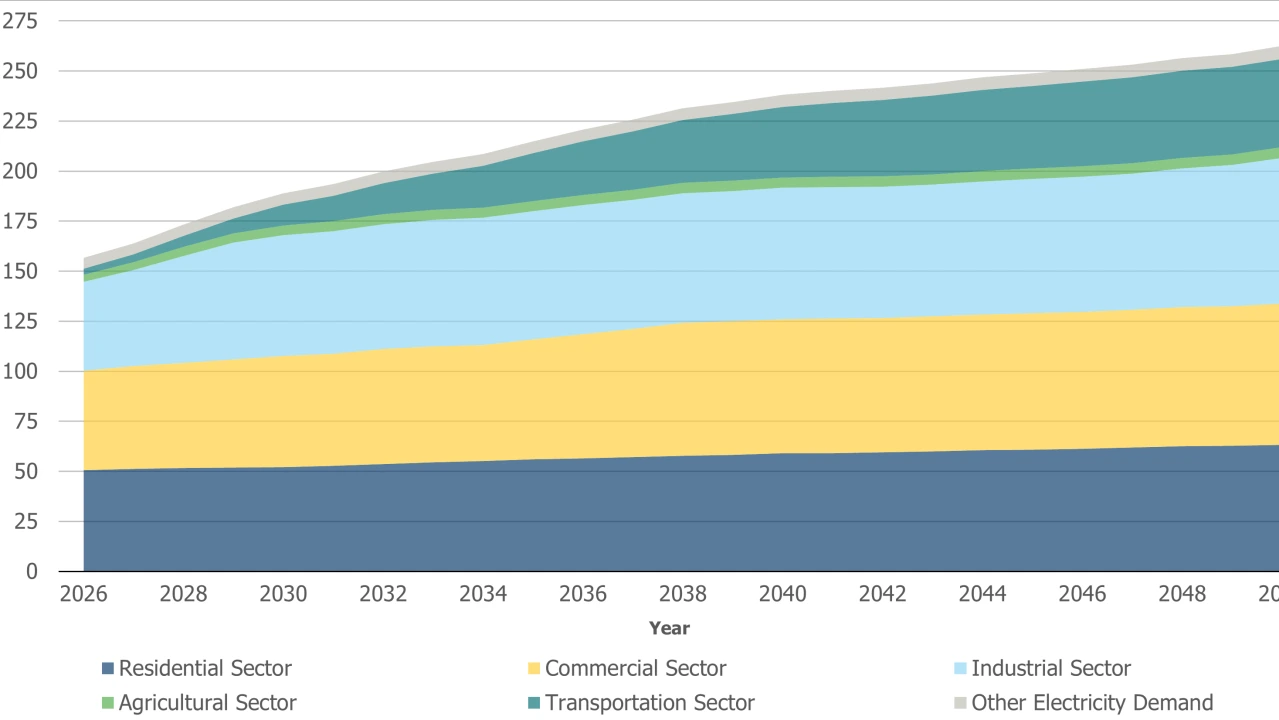
These recent price movements point toward a future in which volatility is more frequent and more significant. Ontario’s grid is entering a period of transition, and the pressures created by electrification, supply shifts, and renewable integration will continue to influence system stability and pricing.
Organizations that treat energy as a strategic, cross-functional responsibility will be best equipped to manage this environment. This requires clear internal accountability, the ability to monitor market signals, flexible operational planning, and a long-term approach to procurement and energy performance.
The November surge is a reminder that electricity is no longer a predictable background cost. It is a strategic variable that affects competitiveness, budgeting, and long-term resilience. Businesses that prepare now will be better positioned as Ontario’s electricity landscape continues to evolve.
Status:
OG Link:
Notes:
.webp)