
Energy Management
March 30, 2026
Energy Industry
As we head into 2026, one thing has become clear through the work we’ve done this year across the HIPE Network in Hamilton, the Smart Energy Greenhouse Forum, and international conversations at Hannover Messe and NATO’s Clean Energy Day: energy is no longer an abstract consideration. Based on what we’re seeing on the ground with clients, utilities, and policymakers, passive energy management is no longer viable.
Below are five shifts I believe will define which organizations are positioned to succeed and which will struggle in the years ahead.
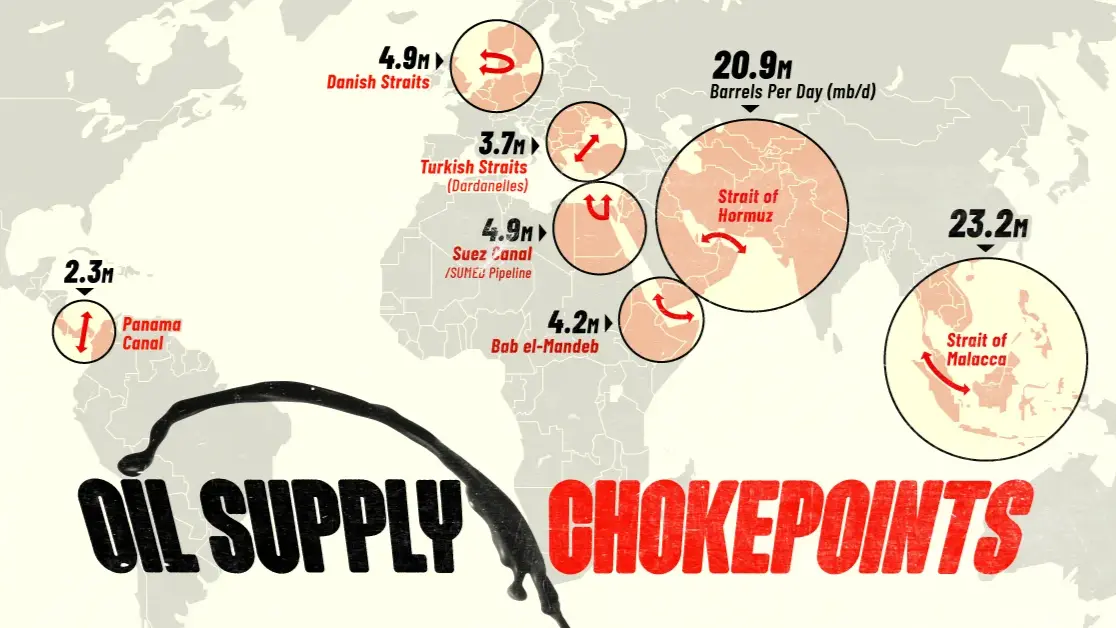
In 2025, I saw energy security move from policy discussions into boardroom decisions. What used to be background noise with grid upgrades, fuel supply, or outage risks is now a direct threat to business growth and competitiveness. The Canadian and North American “reliable energy advantage” is gone; grid bottlenecks, weather shocks, and expansion constraints have made energy security a non-negotiable, C-suite-level concern. NATO’s focus on infrastructure vulnerabilities underscored this: businesses must move beyond hoping someone else will handle it. Companies in sectors from greenhouses to heavy industry are already hitting roadblocks with denied expansion, forced downtime, or exposure to single-point failures because their energy planning lagged behind their growth.
The era of ‘set it and forget it’ energy management is dead. At every 2025 event including the HIPE Launch, Greenhouse Lunch & Learn, and E-world, the message was the same: energy literacy isn’t optional. Companies and entire sectors are waking up to the fact that they can’t wait for government, utilities, or regulators to fix their problems. Active participation means more than just reacting to high bills; it means understanding market dynamics, grid constraints, pricing mechanisms, and the risks behind “business as usual.” The most successful clients and community groups now have energy teams meeting regularly, accountants reviewing invoices for errors and anomalies, and managers tracking KPIs monthly, sometimes daily or hourly. Companies sitting on the sidelines will be left in the dark, literally and figuratively.
Looking ahead, the next five years will be unforgiving for organizations that fail to organize around energy strategically. Companies that treat energy as a strategic asset by embedding it into supply chain, finance, and risk management will get first dibs on grid capacity, incentives, and resilience. The HIPE Network launch hammered this home: engagement can’t just be a buzzword; it must run from executive suites to the shop floor. Those who organize, invest, and collaborate with peers, utilities, and tech partners are early movers, and will be securing their positions while others queue for leftovers. Industrial parks are pooling loads, communities are coordinating demand, and collaborative initiatives like HIPE are translating talk into measurable results.
Based on current market conditions, 2026 will further expose organizations that still treat energy costs as predictable or fixed. “Just budget 5% more” is an era that is over, with fluctuations in global supply chains, carbon pricing, and regional shortages blowing up old models. Conferences like Hannover Messe and E-world made it clear that European energy markets have already adapted by integrating price signals into daily operations. North American businesses that keep treating energy costs as fixed or background noise are going to see their margins, budgets, and growth plans shredded. Proactive management that consists of hedging, procurement strategies, and demand response is not just for the big players anymore.
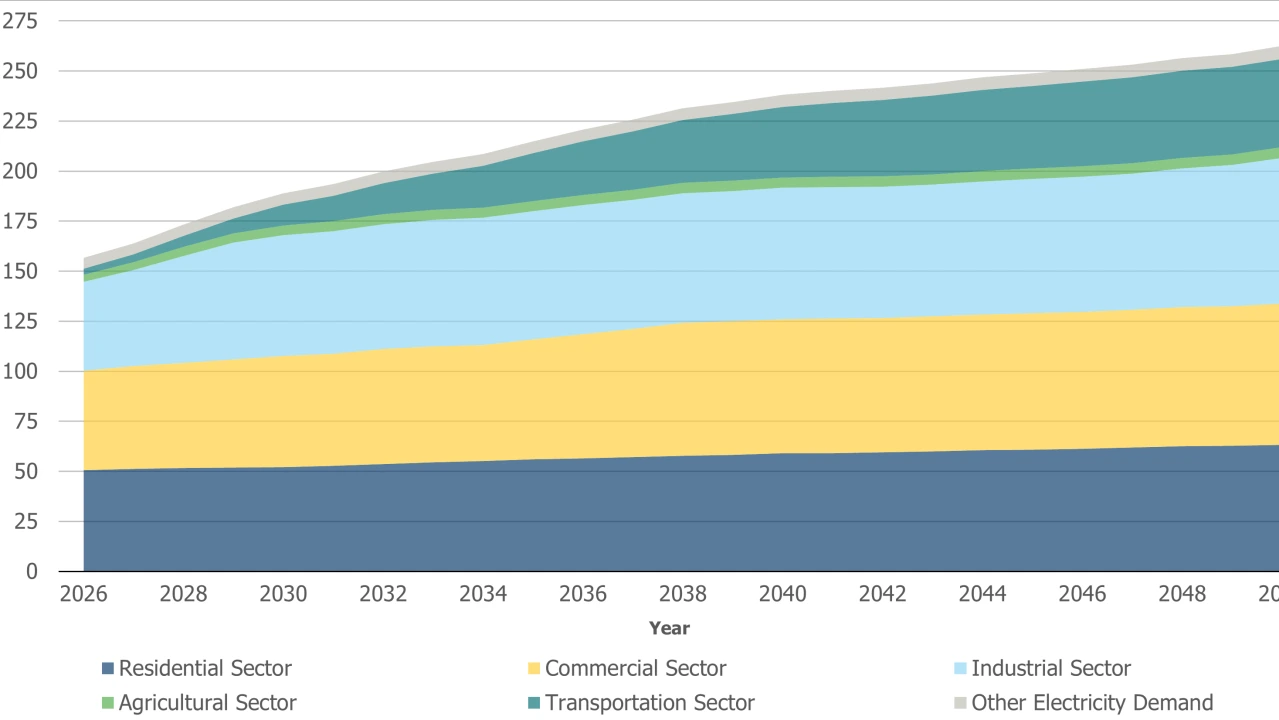
From what we demonstrated this year with Envirally 2.0, it’s clear that AI is becoming foundational to modern energy management. AI and data centers are now among the world’s biggest energy consumers, and their footprint is only growing. But AI is also the only tool capable of delivering the real-time insights, anomaly detection, and forecasting that modern energy management demands. This year’s rollout of Envirally 2.0 and the EMIS demonstrations at the Greenhouse Lunch & Learn showed that automation is the baseline: from automating utility data validation, to triggering alerts, to enabling scenario planning for five-year expansions. If you’re not already using AI for energy analytics and planning, you’re behind. It’s the only way to cut through noise, identify savings, and stay compliant as reporting requirements tighten.
2025’s biggest takeaway? The ‘energy spectator’ model is obsolete. Security, literacy, agility, and technology adoption must be the core of survival and growth. Businesses, communities, and even governments who get organized and invest in knowledge, participation, and technology now will be the only ones left standing when the next round of constraints hits.
— David Arkell
President & CEO
Status:
OG Link:
Notes:
.webp)