
Energy Management
March 30, 2026
Energy Industry
Ontario stands at a crossroads. As Energy Minister Stephen Lecce laid out in the Financial Post (Oct 23, 2025), the province faces an energy infrastructure crisis threatening economic competitiveness at the worst time. With U.S. policy targeting Canada and global instability rising, Ontario’s future as a place to invest and build hinges on a single requirement: reliable, affordable, abundant energy.
The message from Queen’s Park is urgent, but the uncomfortable truth is this: utilities alone cannot fix the problem. Waiting for them to do it is a recipe for stagnation.
This isn’t unique to Ontario. At the NATO meeting I attended this summer, energy infrastructure resilience was flagged as a strategic risk across all member countries. Energy security now underpins both economic and national security worldwide. Ontario’s struggle is a preview of what’s coming everywhere, which is a challenge that demands urgent, coordinated action at every level.
This problem didn’t emerge overnight. The 2012 Ontario Distribution Sector Review panel warned that the status quo would fail customers and called for distributors that are “efficient, innovative, and financially strong.” The OEB echoed this six years later, urging utilities to modernize and explore new business models.
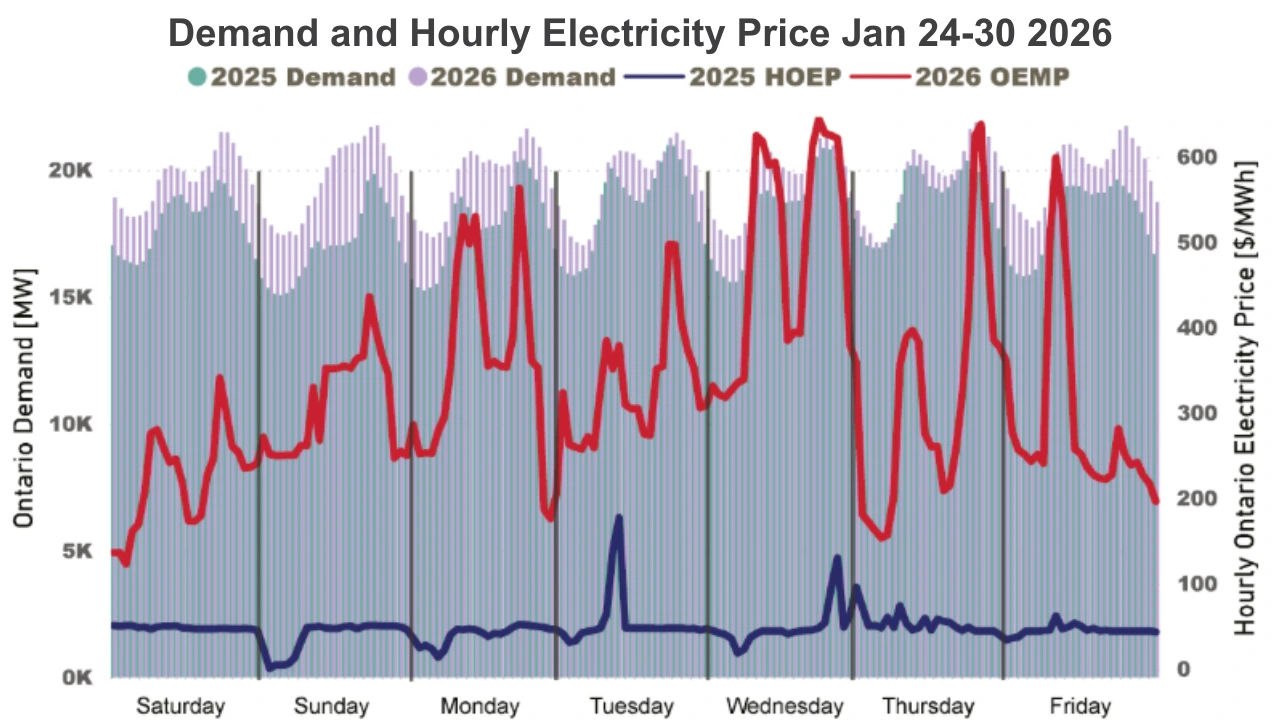
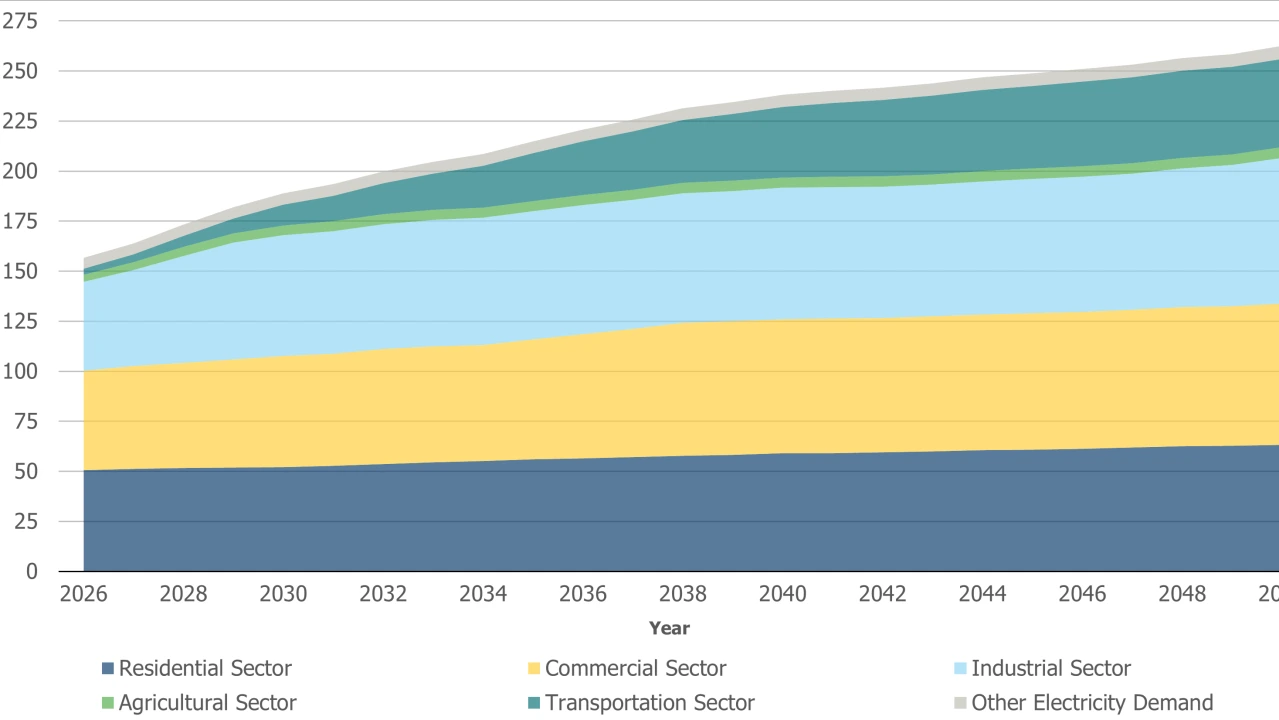
Fast forward to 2025: things have only deteriorated. Toronto Hydro’s funding gap forced the city to hike development charges; across Ontario, similar financial pressures are growing. Utilities face massive maintenance backlogs that undermine grid reliability and don’t have the capital to build out the new infrastructure required for projected demand by 2050.
Minister Lecce calls it a looming “fiscal cliff”, but there’s no siren for this kind of risk. It arrives as brownouts, stalled expansions, lost investments, and eventually, businesses quietly relocating to places where the power simply works.
NATO’s concern makes clear that energy infrastructure is now about resilience, sovereignty, and surviving geopolitical and economic shocks. Every developed country is running into the same wall: aging grids, insufficient investment, and demand spiking from electrification and digitalization. Germany is struggling. The U.S. grid isn’t immune. No major economy has “cracked” the energy modernization code at the scale or speed required.
This means Ontario isn’t just competing with neighbouring provinces or states anymore, but in a global race for capital, talent, and investment. In that race, energy reliability trumps almost everything else because no company will gamble billions on a jurisdiction that can’t keep the lights on.
Ontario also can’t sit back and wait to copy someone else’s solution. Every region, business, and community will have to adapt to its own mix of regulatory, financial, and industrial realities.
The scale of Ontario’s challenge is bigger than any utility’s mandate. The province’s 25-year plan for new generation and distribution sits inside a regulatory box that limits innovation, access to capital, and speed. Utilities are stuck maintaining centralized systems with outdated rules while prepping for an electrified future: EVs, heat pumps, data centers, and advanced manufacturing, which all pull unprecedented power.
Incremental development charges and slow rate hikes will not generate the capital needed. Utilities built for a steady, predictable grid are now being asked to reinvent the entire system in a generation.
Meanwhile, businesses want grid certainty before investing, and utilities want demand certainty before building, manifesting as a deadlock at the worst possible time.
Energy infrastructure is no longer someone else’s problem. Competitiveness, scalability, sustainability, and customer demand all depend on having a seat at the table.
Leading companies are treating energy as a controllable input and building literacy at all levels, from executives to the floor. They’re investing in efficiency, on-site generation, and storage to reduce grid dependence. Others are partnering directly with utilities and developers to co-finance infrastructure. Industrial parks are pooling demand, aggregating loads, and building shared distributed generation and storage to avoid transmission bottlenecks.
Businesses that wait for the grid to upgrade itself will get outcompeted by those who secured their energy future early.
The most sophisticated are going further, embedding in regional energy planning, sharing growth projections with utilities, banks, and governments, piloting new grid-interactive tech, and pushing for regulatory reforms to speed up infrastructure. NATO’s recognition of energy infrastructure as a security priority means that private sector engagement is mandatory.
Communities can’t be spectators. Local infrastructure choices shape regional economic outcomes for decades. Municipalities and local governments must step up: building energy literacy, developing community energy plans, forming public-private partnerships, and supporting local projects that attract and retain jobs.
This also means getting real about trade-offs. New generation, transmission lines, and substations have to go somewhere. Resistance to new developments or changes in a neighbourhood (NIMBYism) and endless consultations are luxuries Ontario can’t afford if it wants to stay relevant. Communities that enable infrastructure will attract investment; those that resist will watch it leave.
Municipalities should also act as conveners by bringing together utilities, businesses, and residents to develop integrated solutions like district energy, waste heat recovery, and electrification strategies that actually work at scale.
Ontario’s energy advantage has always depended on looking ahead, but what we need now is execution, and not just from government or utilities. Businesses must start treating energy infrastructure like any other core input: something to plan for, invest in, and control. Communities must take ownership too, embedding energy planning into the same conversations they have about housing, land use, and economic development. Associations and sectors can’t afford to compete in isolation when shared strategies would deliver far greater impact.
The cost of inaction is stalled expansions, lost investment, rising costs, and a growing perception that Ontario can’t deliver the basics. There’s no policy window, no hidden reserve capacity, no future government with a better plan, and nobody to fix it for us. NATO’s position reinforces: energy infrastructure is a critical issue now, not a legacy problem to hand off.
So the question that business and community leaders need to ask remains: What’s our plan? Not the utility’s. Not the province’s. Ours. If Ontario wants to lead the G7 in jobs and investment, we need to deliver the energy capacity required to compete.
Status:
OG Link:
Notes:
.webp)