
April 7, 2026
Energy Industry
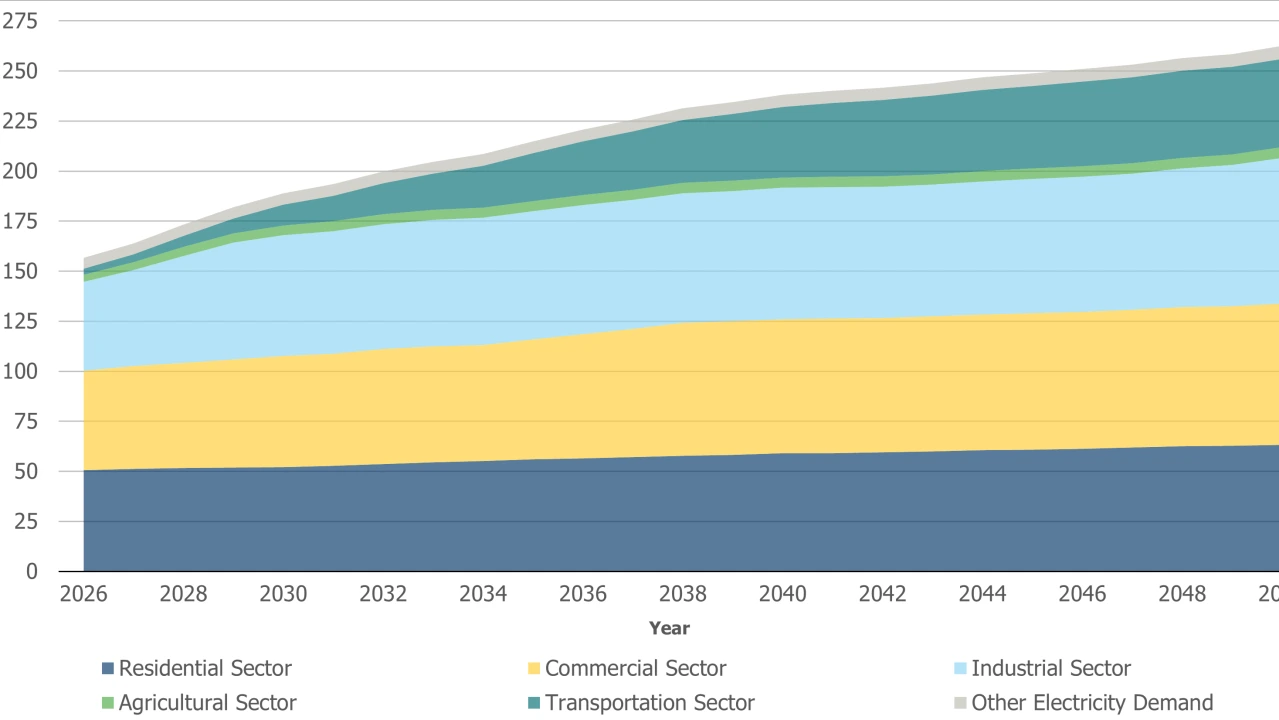
Canada’s economy is entering an era of breakneck load growth. Electrification, AI-driven data centers, advanced manufacturing, greenhouse expansions, and urban development are converging on a grid that’s already stretched thin. Substations in every growth region are nearing their limits, transmission buildouts are crawling, and interconnection queues are now longer than most business plans can survive.
Here’s the hard truth: when the grid hits capacity, investment chases energy availability. The companies that scale are those with power in hand. The rest end up waiting, if they stick around at all.
Historically, the answer was more wires, more substations, more capital sunk into legacy infrastructure. But the timeline for that approach is now hopelessly out of sync with industrial realities. No one in this market can wait until 2035 for capacity. The grid must become flexible. Anything less is self-sabotage.
North America is starting to shift. Minnesota’s Capacity Connect program just put the old model on notice: batteries placed directly on distribution feeders are flattening peaks and unlocking new load years ahead of any traditional build. This is a strategic redefinition, with batteries and distributed resources that are no longer “nice-to-haves.” They’re core assets, supporting local reliability, reducing peak stress, and freeing up headroom for growth.
For Canada, this lesson could not be more urgent. Every month spent debating, every year spent in grid limbo, only widens the competitive gap against regions willing to act.
This shift is already visible in Ontario. In a previous 360 Energy podcast conversation with Dick Bakker, Director at the Ottawa Renewable Energy Cooperative (OREC), Dick Bakker outlined how community-scale solar, wind, and battery projects are being deployed to relieve local grid constraints and improve reliability, even within Ontario’s restrictive regulatory framework. The episode emphasized that decentralization and distributed storage are advancing because centralized planning cannot respond fast enough to rising demand.
Utilities across North America are staring down the same threat: electrification is moving faster than they can deliver new capacity. EV charging, heat pumps, and industrial expansions. None of this is waiting for regulatory comfort. Where power remains tight, growth simply migrates to wherever access is easier.
That’s why leading utilities are finally waking up to the fact that demand flexibility and distributed storage are the only levers left to pull. For industry, this is about survival. Companies now demand energy certainty in every capital plan, procurement, and site selection decision. If the grid can’t keep up, they’ll find a way, on-site, in partnership, or by moving entirely.
Canadian companies in places like Hamilton, Kitchener-Waterloo, Leamington, Ottawa, Kingston, and the Fraser Valley already know what grid constraints feel like. Expansions get blocked unless businesses are willing to wait for upgrades that may never arrive.
The response from industry leaders is clear:
This is no longer about keeping the lights on. It’s about determining who gets to grow, and who gets left behind.
Local constraints are now economic constraints. Industrial regions that coordinate storage, flexible loads, and shared distributed resources will control their future. Those who wait for utilities to deliver, or refuse to act collectively, will watch opportunities slip away.
Networks like the HIPE Network initiative and new greenhouse collaborations in Ontario are already proving that shared planning unlocks expansion and attracts new investment faster than any legacy process.
The future of Canada’s competitiveness is being decided right now. Distributed generation, storage and flexible demand are not side projects; instead, they are the new infrastructure, and the race to deploy is already well underway. No province, municipality, or company can afford to wait for the perfect regulation or one-size-fits-all plan. Decisions made in the next three years will sort the regions that drive growth from those that are left explaining lost opportunities.
This is the moment to act. Companies securing energy capacity (storage and behind-the-fence generation) today will shape the economic future. The rest will inherit a full grid and a shrinking opportunity set.
Status:
OG Link:
Notes:
.webp)