

April 7, 2026

Energy Industry
The current global landscape is defined by potentially significant geopolitical shifts that could introduce volatility into international energy markets. As of early 2026, U.S. foreign policy shifts and escalating diplomatic tensions have created a complex environment for energy pricing and resource security.
Together, these regional dynamics suggest that geopolitical risk is increasingly reflected in energy price formation through expectations and financial channels, rather than through immediate changes in physical supply.
Fluctuations in oil prices typically have a "trickle-down" effect, influencing the cost of various secondary energy products. Furthermore, the expansion of the Liquefied Natural Gas (LNG) trade has linked regional gas markets more closely than ever before. Because LNG pricing increasingly reflects global spot markets, disruptions or strategic export decisions can translate quickly into regional gas and power price volatility.
As the U.S. has increased its LNG export capacity substantially over the last decade, there is some potential for this commodity to be used as a bargaining chip. This would introduce a new layer of unpredictability for natural gas and consequently electricity pricing given the prevalence of natural gas fired electricity generation.
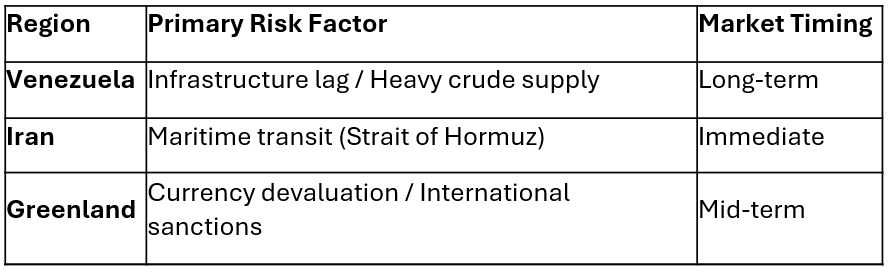
These dynamics rarely hit organizations as a single clean event. They show up as faster swings in pricing, harder-to-explain cost changes, and more uncertainty when planning budgets and procurement.
To help clients make sense of what’s moving markets right now, 360 Energy will be hosting a webinar in the coming weeks featuring Stephen Schork, Principal & Editor at The Schork Group and a long-time energy market analyst experience dating back to the New York Mercantile Exchange (NYMEX), where benchmark oil and natural gas contracts are traded.
The session will focus on translating current market volatility into practical context for energy buyers and decision-makers. Registration details will be shared soon.
Status:
OG Link:
Notes:
.webp)